逢周一至周五播出
第一組節目 唐詩七絕選賞 陳耀南教授主講
第二組節目 詩歌淺嚐 方鏡熹老師主講
第三組節目 詩詞選賞 陳魯慎教授主講
第四組節目 吟誦朗誦選賞
逢周一至周五播出
第一組節目 唐詩七絕選賞 陳耀南教授主講
第二組節目 詩歌淺嚐 方鏡熹老師主講
第三組節目 詩詞選賞 陳魯慎教授主講
第四組節目 吟誦朗誦選賞
反切用两个字拼合成另一个字的音,是我国传统的一种注音方法。
反切上字与所切之字声母相同,反切下字与所切之字韵母和声调相同。
即上字取声,下字取韵和调。
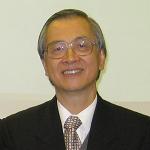
单周尧教授 香港大学中文学院前主任。
反切用兩個字拼合成另一個字的音,是我國傳統的一種注音方法。
反切上字與所切之字聲母相同,反切下字與所切之字韻母和聲調相同。
即上字取聲,下字取韻和調。
單周堯教授 香港大學中文學院前主任。
Du Fu (712-770)
is one of the most celebrated poets of the Tang Dynasty. Along with Li Bai, he is frequently called the greatest of all Chinese poets.
This poem describes people’s hardships due to a prolonged war. It is an anti-war masterpiece.
Du Fu A Song of War-Chariots
Translated by Witter Bynner (1929).
The war-chariots rattle,
The war-horses whinny.
Each man of you has a bow and a quiver at his belt.
Father, mother, son, wife, stare at you going,
Till dust shall have buried the bridge beyond Changan.
They run with you, crying, they tug at your sleeves,
And the sound of their sorrow goes up to the clouds;
And every time a bystander asks you a question,
You can only say to him that you have to go.
…We remember others at fifteen sent north to guard the river
And at forty sent west to cultivate the campfarms.
The mayor wound their turbans for them when they started out.
With their turbaned hair white now, they are still at the border,
At the border where the blood of men spills like the sea —
And still the heart of Emperor Wu is beating for war.
…Do you know that, east of China’s mountains, in two hundred districts
And in thousands of villages, nothing grows but weeds,
And though strong women have bent to the ploughing,
East and west the furrows all are broken down?
…Men of China are able to face the stiffest battle,
But their officers drive them like chickens and dogs.
Whatever is asked of them,
Dare they complain?
For example, this winter
Held west of the gate,
Challenged for taxes,
How could they pay?
…We have learned that to have a son is bad luck-
It is very much better to have a daughter
Who can marry and live in the house of a neighbour,
While under the sod we bury our boys.
…Go to the Blue Sea, look along the shore
At all the old white bones forsaken —
New ghosts are wailing there now with the old,
Loudest in the dark sky of a stormy day.
杜甫(712-770)
字子美,号少陵野老。与李白齐名,世称为诗圣。其诗悲天悯人,忧国忧民。梁启超评:少陵只为苍生苦,赢得乾坤不尽愁。
诗作背景
这叙事诗写唐玄宗,穷兵黩武,连年征战,民不聊生。是反战之名作。
杜甫 兵车行
车辚辚,马萧萧,行人弓箭各在腰。爷娘妻子走相送,尘埃不见咸阳桥。牵衣顿足拦道哭,哭声直上干云霄!道旁过者问行人,行人但云点行频。或从十五北防河,便至四十西营田。去时里正与裹头,归来头白还戍边。边庭流血成海水,武皇开边意未已!君不闻,汉家山东二百州,千村万落生荆杞。纵有健妇把锄犁,禾生陇亩无东西。况复秦兵耐苦战,被驱不异犬与鸡!长者虽有问,役夫敢申恨?且如今年冬,未休关西卒。县官急索租,租税从何出?信知生男恶,反是生女好,生女犹得嫁比邻,生男埋没随百草!君不见,青海头,古来白骨无人收,新鬼烦冤旧鬼哭,天阴雨湿声啾啾!
杜甫(712-770)
字子美,號少陵野老。與李白齊名,世稱為詩聖。其詩悲天憫人,憂國憂民。梁啟超評: 少陵只為蒼生苦,贏得乾坤不盡愁。
詩作背景
這敘事詩寫唐玄宗,窮兵黷武,連年征戰,民不聊生。是反戰之名作。
杜甫 兵車行
車轔轔,馬蕭蕭,行人弓箭各在腰。爺娘妻子走相送,塵埃不見咸陽橋。牽衣頓足攔道哭,哭聲直上干雲霄!道旁過者問行人,行人但云點行頻。或從十五北防河,便至四十西營田。去時里正與裹頭,歸來頭白還戍邊。邊庭流血成海水,武皇開邊意未已!君不聞,漢家山東二百州,千村萬落生荊杞。縱有健婦把鋤犁,禾生隴畝無東西。況復秦兵耐苦戰,被驅不異犬與雞!長者雖有問,役夫敢申恨?且如今年冬,未休關西卒。縣官急索租,租稅從何出?信知生男惡,反是生女好,生女猶得嫁比鄰,生男埋沒隨百草!君不見,青海頭,古來白骨無人收,新鬼煩冤舊鬼哭,天陰雨濕聲啾啾!
Yuan Zhen The Summer Palace
In the faded old imperial palace,
Peonies are red, but no one comes to see them….
The ladies-in-waiting have grown white-haired
Debating the pomps of Emperor Xuanzong.
Translated by Witter Bynner (1929)
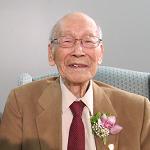
Yuan Zhen (779 – 831)
courtesy name Weizhi, was an important Chinese writer and poet. He and his friend Bai Juyi together developed their own poetic style.
Chan Low San, former professor of Chinese literature at several universities in Hong Kong.
Cantonese preserves the pronunciation of the official language of the Tang dynasty. Tang poetry rhymes in Cantonese as was originally intended.
元稹 行宫
寥落古行宫,宫花寂寞红。白头宫女在,闲坐说玄宗。
元稹 (779 – 831)
字微之。工诗且善言情,与白居易齐名。元白交情最深,诗歌有共同特色,世称元白体。有元氏长庆集传世。
诗作背景
唐玄宗初时励精图治,及后奢侈淫逸,引至安史之乱。本诗语少意足,道出宫女伤感生活,暗示唐朝由盛到衰。
陈鲁慎教授
年逾百岁。曾任广州国民大学、香港广大书院、联合学院、能仁书院、珠海大学、德明书院等中文系教授达卅年。
粤语保存唐音韵,粤读唐诗最传神。
广府话读诗词,宜家学唔怕迟。